

Guide
Online payments for Pakistani eCommerce websites
A Pakistani online store usually needs three payment options: cash on delivery, mobile wallets such as JazzCash and Easypaisa, and debit or credit cards. You get the last two through a payment gateway. This guide explains how to pick a payment gateway in Pakistan, the options, what gateways ask for and how to set them up on your website.
- COD, wallets and cards compared
- Types of payment gateway
- What you need to apply
- Reducing COD returns
The options
How Pakistani customers pay online
Cash on delivery is still the most common way Pakistani shoppers pay. Industry sources such as XStak estimate it at roughly 60–70% of eCommerce transactions, though digital payments are growing quickly.
| Method | Strength | Weakness |
|---|---|---|
| Cash on delivery | Trusted, no gateway needed | Returns and refused parcels, slower cash flow |
| Mobile wallets (JazzCash, Easypaisa) | Widely used, familiar | Needs a merchant account or a gateway that supports them |
| Debit and credit cards | Fast, suits higher-value orders | Fewer Pakistani shoppers pay by card online |
| Bank transfer / Raast | Low cost, instant with Raast | Manual checking unless the gateway automates it |
Most stores offer COD plus at least one digital option. Some add a small discount or free delivery for prepaid orders to reduce returns.
In this guide
- Payment methods compared
- Types of gateway
- What you need to apply
- Reducing COD returns
- Common questions
Gateways
Four kinds of payment gateway
Independent payment service providers
Companies such as PayFast, Safepay, PayPro and XPay offer one checkout for cards, wallets and sometimes Raast. They usually have WooCommerce or Shopify plugins and faster onboarding.
Wallet merchant accounts
JazzCash and Easypaisa offer merchant accounts directly. Useful if most of your customers already pay by wallet.
Bank gateways
Banks such as HBL, Bank Alfalah, UBL, MCB and Meezan offer card gateways. Often better rates at high volume, but longer onboarding and more paperwork.
International gateways
For selling abroad, some businesses use international providers. Availability for Pakistani businesses changes, so check current terms directly with the provider.
Applying
What gateways usually ask for
Requirements differ by provider, and they change, so always check the current list with the gateway. According to a 2026 overview by Buzz Interactive, typical documents include:
- Business registration (for example SECP registration for companies)
- National Tax Number (NTN)
- A business bank account
- A live website with visible refund, privacy and terms pages
- An SSL certificate (https)
The same source puts typical fees at around 2–3.5% per transaction, with independent providers onboarding in days and banks taking weeks. Confirm fees and timelines directly before you choose.
Your website has to be ready first
Gateways often review your site before approving you. Missing policies, placeholder text or broken checkout pages can delay approval. We build stores with these pages in place from the start.
Cash on delivery
Reducing cash on delivery returns
Refused COD parcels cost you delivery charges twice. A few simple steps reduce them:
- Confirm every COD order by WhatsApp or phone before dispatch.
- Show delivery charges and delivery time clearly before checkout.
- Offer a small incentive for prepaid orders.
- Track which ads and cities produce the most returns, and adjust.
The last one matters for marketing. An ad that brings many orders but a high return rate can be worse than one with fewer, confirmed orders. Our Google vs Meta ads guide covers tracking.
What we set up on stores
- COD plus wallet and card payments
- Order confirmation messages
- Courier integration where available
- Refund, privacy and terms pages
- Tracking of confirmed vs returned orders
Choosing one
Which payment gateway in Pakistan suits your store?
There is no single best payment gateway in Pakistan for every store. A simple way to decide:
- Most customers pay by wallet: a gateway or merchant account that supports JazzCash and Easypaisa.
- Higher-value orders and card users: a provider with reliable card processing and 3D Secure.
- High volume: compare bank gateways, which may offer better negotiated rates.
- Selling abroad: check which international options are currently available to Pakistani businesses.
Whichever payment gateway in Pakistan you choose, test the whole checkout on a phone before launch, including failed and cancelled payments. Online payment in Pakistan only builds trust when it works every time.
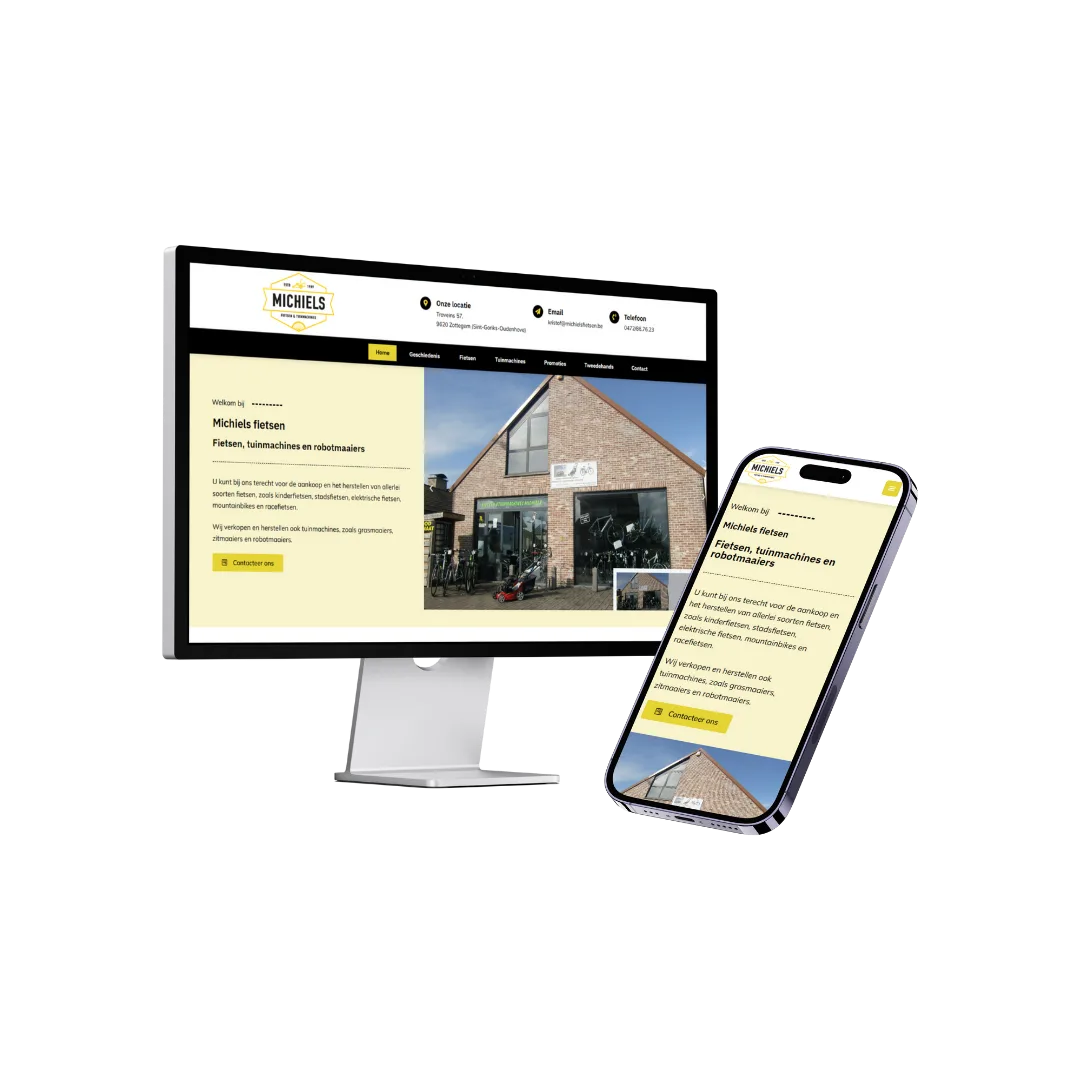
Example of an online store built by ScaleUp.
FAQ
Payment questions
Can a sole trader get a payment gateway in Pakistan?
Some providers onboard sole proprietors with an NTN and business bank account; others require a registered company before they will open a payment gateway in Pakistan for you. Check the current requirements with each provider.
Can I accept payments without a gateway?
Yes, by COD, bank transfer or wallet transfer with manual confirmation. It works at low volume but becomes hard to manage as orders grow.
Does WooCommerce support Pakistani gateways?
Many Pakistani providers offer WooCommerce plugins. We check the plugin is maintained and test the full checkout before launch.
Which is the easiest payment gateway in Pakistan to set up?
Independent payment service providers usually onboard faster than banks, often within days, and many offer ready-made WooCommerce plugins. Check current requirements with each provider.
Need a store that takes payments properly?
Tell us what you sell and how your customers like to pay. We reply within one working day.